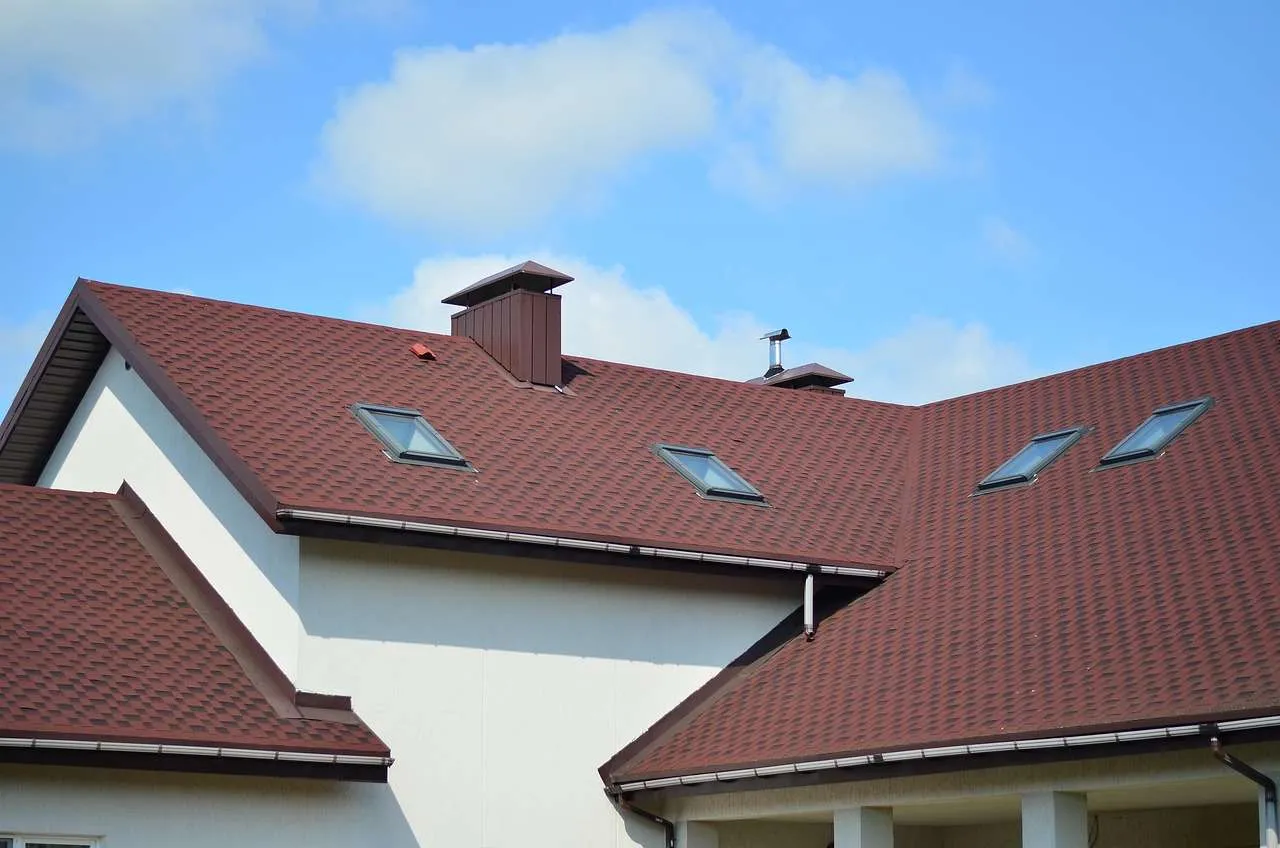
Repair of roofing is a critical task that protects your home from water damage, preserves structural integrity, and maintains property value. This guide blends practical advice with expert insights to help homeowners assess damage, choose the right repair approach, and work safely with qualified professionals when needed. Following a thoughtful plan based on signs, costs, and long-term outcomes helps you achieve reliable results and stay EEAT-compliant in your decision-making.
Key Signs Your Roof Needs Repair
Detecting issues early can prevent expensive failures. Look for:
- Missing, cracked, or curling shingles
- Granule loss in gutters or downspouts
- Water stains on ceilings or walls after rain
- Uneven roof surfaces or sagging sections
- Damaged flashing around chimneys, vents, or skylights
- Moss or algae growth that traps moisture
If you identify any of these signs, a professional inspection is often warranted. While small patches can be DIY for experienced homeowners, safety and material compatibility are critical considerations.
Repair Options and When to Use Them
Minor repairs
Minor roof repairs address localized damage such as a handful of cracked shingles, a small leak, or damaged flashing at a plumbing vent. These fixes can restore performance without a full replacement, especially on newer roofs or when the rest of the system remains sound.
Major repairs
Major repairs involve significant shingle replacement, extensive flashing work, or repairing structural components like roof decking. The decision to pursue major repairs depends on the extent of damage, roof age, and whether multiple areas are compromised. In some cases, extensive damage signals a ceiling-to-edges assessment and a more durable solution—potentially a full roof replacement.
DIY considerations matter here. For complex damage, working with a licensed contractor ensures proper shingle matching, flashing integrity, and adherence to building codes. Always factor safety protocols, fall protection, and proper disposal of damaged materials when planning repairs.
What the Professional Repair Process Looks Like
- Initial inspection and assessment to identify all damaged components.
- Material matching and sourcing to ensure consistent performance and aesthetics.
- Securing the work area and protecting interior spaces from debris.
- Replacement or patching of damaged shingles, sealing of flashing, and resealing joints.
- Quality check, drainage assessment, and thorough cleanup.
- Documentation of work and warranties for future reference.
Professional repairs typically involve proper ventilation assessment, drip edge and underlayment inspection, and ensuring that repair work doesn’t compromise attic insulation or ventilation. These steps contribute to long-term reliability and EEAT-level trust in the service provider.
Materials and Methods
Roofing materials vary by climate, aesthetics, and budget. Common options include asphalt shingles, metal panels, clay or concrete tiles, and membrane systems for flat roofs. Repair methods may include:
- Patching damaged shingles or tiles with compatible materials
- Re-sealing or replacing flashing around chimneys, vents, and skylights
- Decking repair or replacement where the sheathing has softened or warped
- Underlayment replacement to restore a watertight barrier
Choosing the right method requires considering the roof’s age, the surrounding environment, and the cost-benefit balance of continuing to patch versus replacing roofing components.
Costs and Budgeting for Roof Repairs
Costs vary with the extent of damage, material type, and labor rates. Typical ranges to guide budgeting are:
- Minor repair: $300–$1,500
- Major repair: $1,500–$5,000
- Full roof replacement: $7,000–$25,000+ depending on material and area
More aggressive projects, such as replacing decking or correcting structural issues, can push costs higher. When evaluating bids, ask for a breakdown by materials, labor, disposal, and any required permits. A detailed estimate helps you compare options clearly and supports a credible decision for long-term performance.
Maintenance to Extend Roof Life
Prevention reduces the frequency and cost of repairs. Maintain by:
- Regular roof inspections after severe weather
- Cleaning gutters and removing debris to maintain drainage
- Ensuring proper attic ventilation to prevent moisture buildup
- Addressing leaks promptly to minimize water intrusion
- Scheduling professional inspections every 3–5 years or after major storms
A proactive maintenance mindset supports EEAT by demonstrating ongoing care and expertise, not just a one-time fix.
Hiring a Roofing Professional: What to Expect
- Verify licenses and insurance coverage, including workers’ compensation.
- Request written estimates with scope of work and warranties.
- Check references and review prior project photos.
- Confirm material warranties and contractor workmanship guarantees.
- Ensure compliance with local building codes and permit requirements.
Working with a reputable contractor improves outcomes and provides peace of mind for homeowners who want durable, code-compliant repairs.
Repair vs Replacement: A Quick Comparison
| Aspect | Repair | Replacement |
|---|---|---|
| Longevity | Fixes localized issues; can extend life of affected area | New roof lifespan typically 20–50 years depending on material |
| Cost | Lower up-front expense for targeted fixes | Higher up-front cost but longer-term protection |
| Disruption | Less disruption to daily life | More disruption during installation |
| Material match | Patch or patch-panel may require careful color/material matching | Seamless material integration with new roofing system |
| When to choose | Localized leaks, damaged shingles, or flashing | Extensive damage, significant age, or multiple failing areas |
Conclusion
Summary: Repair of roofing is a balance between timely detection, appropriate repair methods, cost considerations, and professional workmanship. By understanding signs of damage, choosing between repair and replacement thoughtfully, and engaging qualified contractors, homeowners can protect their investment, ensure safety, and maintain a durable, watertight roof for years to come.