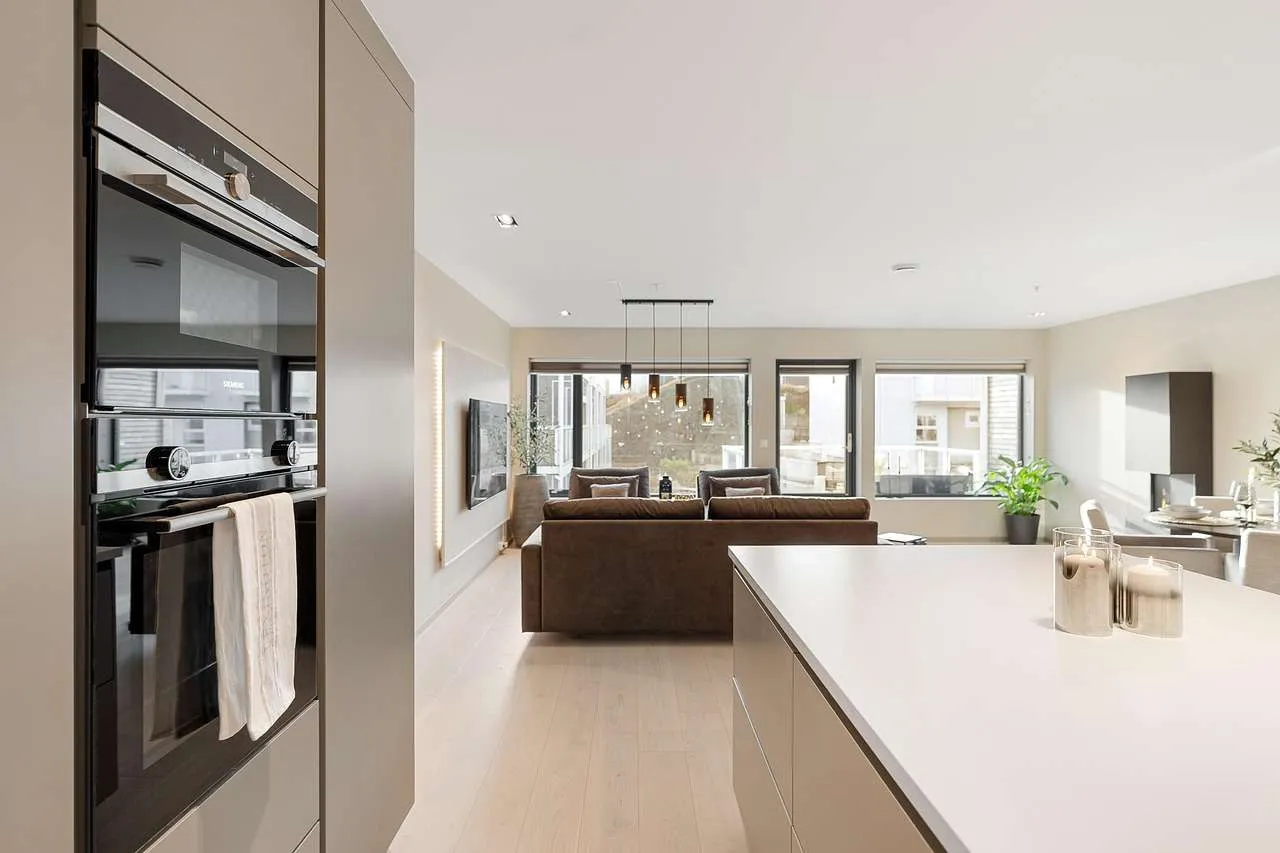
Home window tinting involves applying a thin film to the interior surface of your windows to reduce heat, glare, and UV exposure while improving privacy and comfort.
What is home window tinting?
Residential window tinting uses high-quality films designed for home use. The film is installed on the inside of glass, creating a barrier that reflects a portion of the sun's infrared rays, blocks ultraviolet light, and shifts light transmission without drastically altering your view. Modern films are durable, clear, and can be chosen to suit climate, aesthetics, and budget.
Benefits of home window tinting
- Energy savings: Reducing heat gain lowers air conditioning usage and energy bills.
- UV protection: Blocks up to 99% of UV rays to protect furnishings and skin.
- Glare reduction: Improves comfort for rooms with screens and bright sun.
- Privacy and aesthetics: Adds daytime privacy and can enhance interior design with a subtle tint.
- Safety and security: Some films hold glass in place when shattered and add a layer of protection.
Types of films for homes
Dyed window films
Pros: Attractive tint, low upfront cost. Cons: Fades over time and offers modest heat rejection compared with advanced films.
Metalized films
Pros: Excellent heat rejection and strength; Cons: Can interfere with electronics and appear reflective.
Ceramic films
Pros: Highest heat rejection, excellent UV protection, non-reflective. Cons: Higher cost but long-term energy savings and comfort often justify it.
Carbon and other non-metal films
Pros: Non-reflective appearance and good heat rejection; Cons: Mid-range price with varying durability depending on brand.
Laminated or security films
Pros: Enhanced safety and UV protection; Cons: Higher price and primarily chosen for safety or increased thickness rather than aesthetics.
How to choose the right film
Consider climate, sunlight exposure, and your goals (comfort, privacy, or security). Check UV rejection and visible light transmission (VLT) to balance view with shade. Review warranty terms and ensure the installer is licensed and insured. If you live in a community with rules, confirm there are no restrictive covenants on tint darkness.
Cost, ROI, and installation timeline
Professional installation typically costs more upfront but offers longer warranty and better performance. Expect a range from roughly $3 to $12 per square foot depending on film type, glass size, and labor. Most homes see energy savings and furniture protection that offset costs over time. DIY kits exist, but a certified installer ensures proper adhesion, uniform appearance, and guaranteed performance.
Performance comparison at a glance
| Tint Type | Pros | Cons | UV Rejection | Heat Reduction | VLT Range | Estimated Cost per Sq Ft |
|---|---|---|---|---|---|---|
| Dyed film | Low cost; color options | Less durable; may fade | High | Moderate | 35–75% | $2–4 |
| Metalized film | Strong heat rejection | Possible glare; electronics interference | High | High | 25–60% | $3–6 |
| Ceramic film | Top performance; non-reflective | Higher upfront cost | Very high | Very high | 40–60% | $6–10 |
| Carbon film | Non-reflective; durable | Mid-range price | High but not as much as metalized | High | 30–60% | $3–7 |
| Laminated/Security film | Safety and UV protection | Premium cost | High | Good | 5–40% | $7–12 |
Choosing a trusted installer
To meet EEAT standards, work with reputable, licensed installers who provide clear warranties and references. Look for IWFA-certified professionals, ask for before/after photos, read local reviews, and confirm the installer uses high-quality, weather-tested films. A transparent quote, proper surface preparation, and a documented warranty are signs of expertise and trust.
Maintenance and care: Clean films with non-abrasive solutions and soft cloths. Avoid ammonia-based cleaners that can degrade certain films. Periodic inspection for air bubbles or edge lifting and prompt resealing preserve performance and aesthetics.
Conclusion, home window tinting offers tangible comfort, energy savings, privacy, and safety when you choose the right film type, hire a qualified installer, and follow regional regulations. With careful selection, installation, and maintenance, homeowners can enjoy cooler rooms, protected furnishings, and a more private, peaceful home environment for years to come.