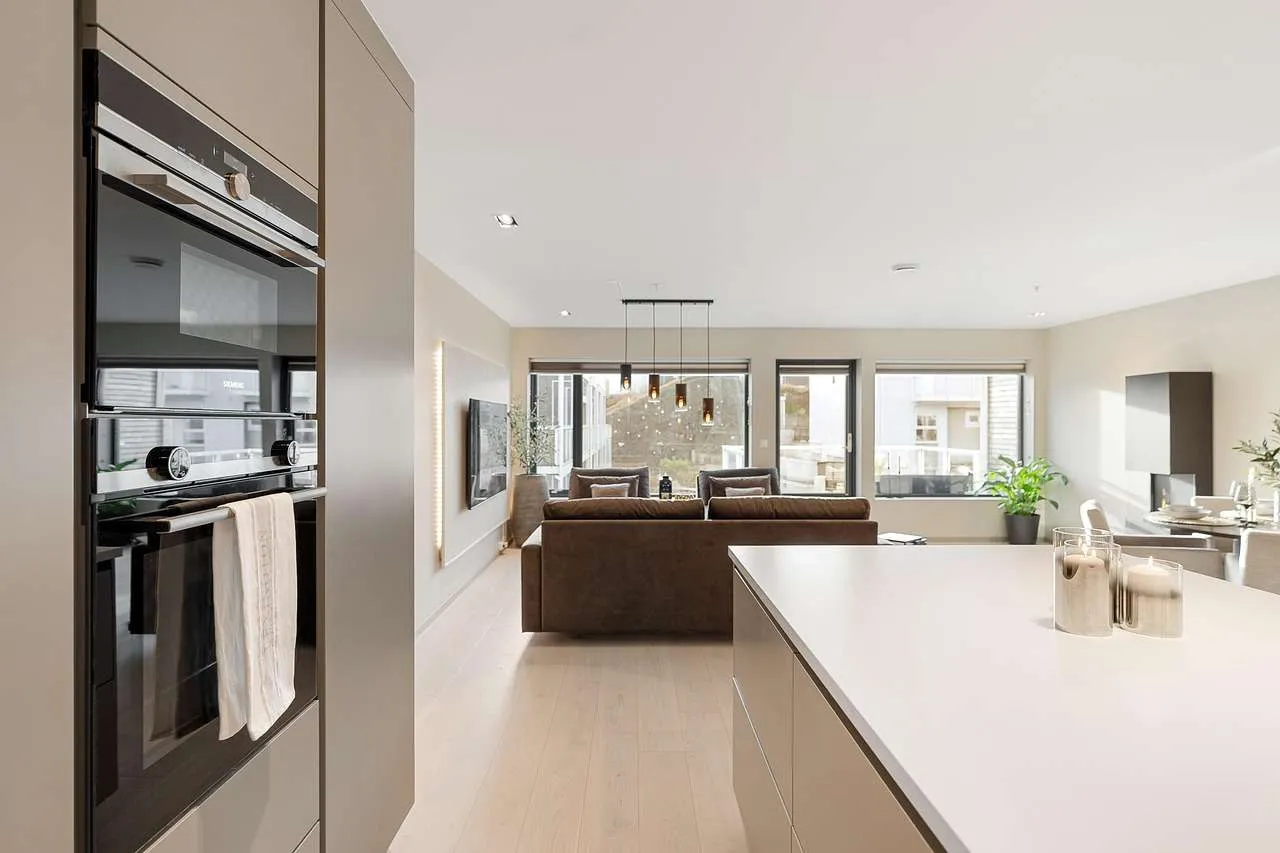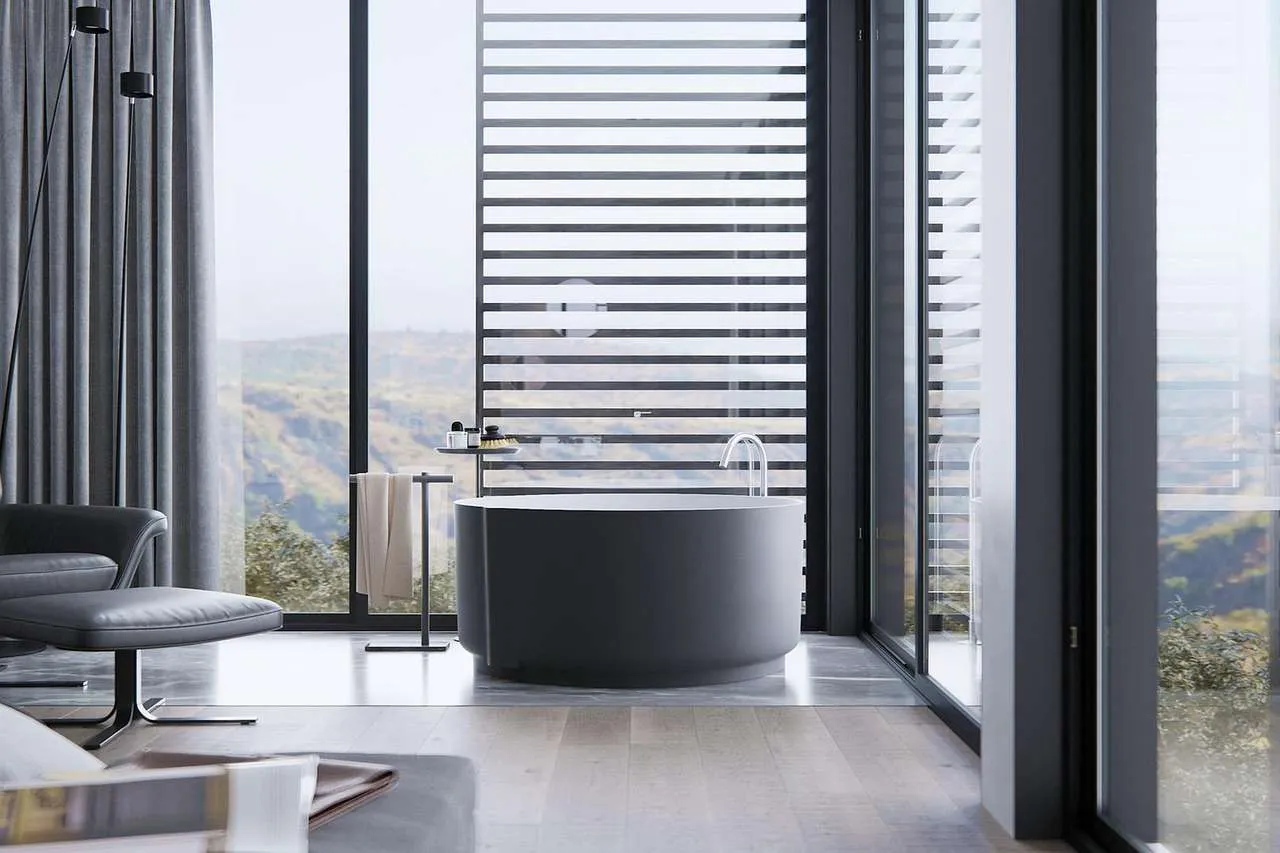
If you are searching for home window tinting near me, you likely want a nearby, reputable professional who can deliver energy savings, UV protection, and improved comfort. This guide explains how to evaluate options, what film to choose, and how to hire a trusted local installer who meets EEAT standards.
Why tint your home windows?
Tinting residential windows offers several tangible benefits. UV protection helps prevent fading of floors and furniture; heat reduction lowers cooling costs; glare control makes living spaces more comfortable; and privacy can be improved without sacrificing natural light. When you search locally, you also gain advantages in service responsiveness and compliance with state or municipal rules. A local installer is more likely to offer in-person consultations, on-site measurements, and tailored recommendations for your climate and home orientation.
Choosing the right film for a home tinting project
Residential films come in several families. Each has different levels of light transmission, heat rejection, and price. The main categories are dyed, metalized, ceramic, and hybrid films. Dyed films are economical and provide decent privacy but may fade over time. Metalized films offer strong heat rejection but can interfere with electronics and show metallic reflections. Ceramic films provide excellent heat rejection and UV protection without reflectivity, but at a higher upfront cost. Hybrid films blend materials to balance performance and price. For most homes, ceramic or high-quality hybrid films are favored for longevity and clear views. When evaluating options, request the film data sheet from the manufacturer to verify UV rejection, visible light transmission, and warranty terms. For EEAT, choose installers who can share these details and demonstrate the film in person.
Energy efficiency is a practical consideration. A well chosen film can cut peak cooling loads, reduce glare, and help protect furnishings from fading. In addition, UV protection benefits indoor air quality and occupant comfort over time. A trusted installer will discuss these outcomes in concrete terms and provide a cost-benefit analysis that aligns with local electricity rates and climate patterns.
What to consider when choosing a home window tinting near me provider
Local installers differ in experience, product lines, warranties, and service guarantees. Look for licensed, insured professionals who offer manufacturer-backed warranties and proof of installation training. Ask about the type of film, its UV rejection, visible light transmission, and expected life span. Request showroom samples or in-person demonstrations to compare reflectivity and clarity. A good installer will measure windows, provide an exact quote, and outline preparation and installation steps. Check customer reviews, ask for before and after photos, and verify the installer follows local regulations for window films on exterior or sensitive areas such as bathrooms and street-facing windows. For EEAT, prefer providers who publish certifications, share product data sheets, and offer clear warranty terms.
To help you navigate, use this quick checklist before booking a local tinting service: license and insurance proof; manufacturer-backed warranty; in-person measurement; sample film swatches; written estimate with itemized costs; references or verified customer reviews; and a clear installation timeline.
Comparison of residential window film types
| Film Type | UV Rejection | Visible Light Transmittance (VLT) | Heat Reduction | Pros | Cons | Estimated Cost |
|---|---|---|---|---|---|---|
| Dyed | High (up to 99%) | 40-75% | Moderate | Low cost; improves privacy | May fade; less durable | 2-6 $/ft2 |
| Metalized | Very high | 40-60% | High | Excellent heat rejection; glare control | Possible electronics interference; reflective | 3-8 $/ft2 |
| Ceramic | Excellent (up to 99.9%) | 40-70% | Very High | Non-reflective; superior clarity; durable | Higher upfront cost | 5-12 $/ft2 |
| Hybrid | High | 40-70% | High | Good balance of cost and performance | Still pricier than dyed | 3-7 $/ft2 |
What to expect from a professional install
Installation is typically done by trained technicians who follow manufacturer guidelines. A typical project includes a pre-installation assessment, window cleaning, film cutting to exact pane dimensions, and meticulous squeegeeing to remove air pockets. Quality installers often perform a post-installation inspection and provide maintenance instructions. Expect one to two days for a whole-home tinting job, depending on window count, film type, and accessibility. Aftercare usually involves avoiding harsh cleaners and allowing adhesives to cure before heavy cleaning or contact with the film edges.
Finding a trusted local installer near me
To ensure reliability and EEAT, work with installers who publish their credentials, offer transparent pricing, and provide long-term warranties on both film and installation. Ask for a written contract, projected timelines, and a service guarantee. Request references and check recent customer reviews. If possible, visit a showroom or view a completed project to judge film quality, glare control, and visibility from inside the home. A credible local provider will tailor recommendations to your climate, home orientation, and privacy needs rather than pushing a single product.
What to expect after completion
After tinting, avoid abrasive cleaners near film edges, and follow the manufacturer’s cure times. You should notice a gradual improvement in interior comfort, reduced glare, and more consistent temperatures across rooms. If you observe bubbling, peeling, or edge lifting beyond the warranty period, contact the installer promptly for inspection or service under warranty. Regular maintenance helps preserve film clarity and performance for years.
Conclusion, investing in residential window tinting near me can deliver long term value by reducing cooling costs, protecting interiors from UV damage, and enhancing comfort and privacy. By selecting the right film type, verifying installer credentials, and reviewing warranties, you can ensure a reliable, energy-saving upgrade for your home that stands the test of time.